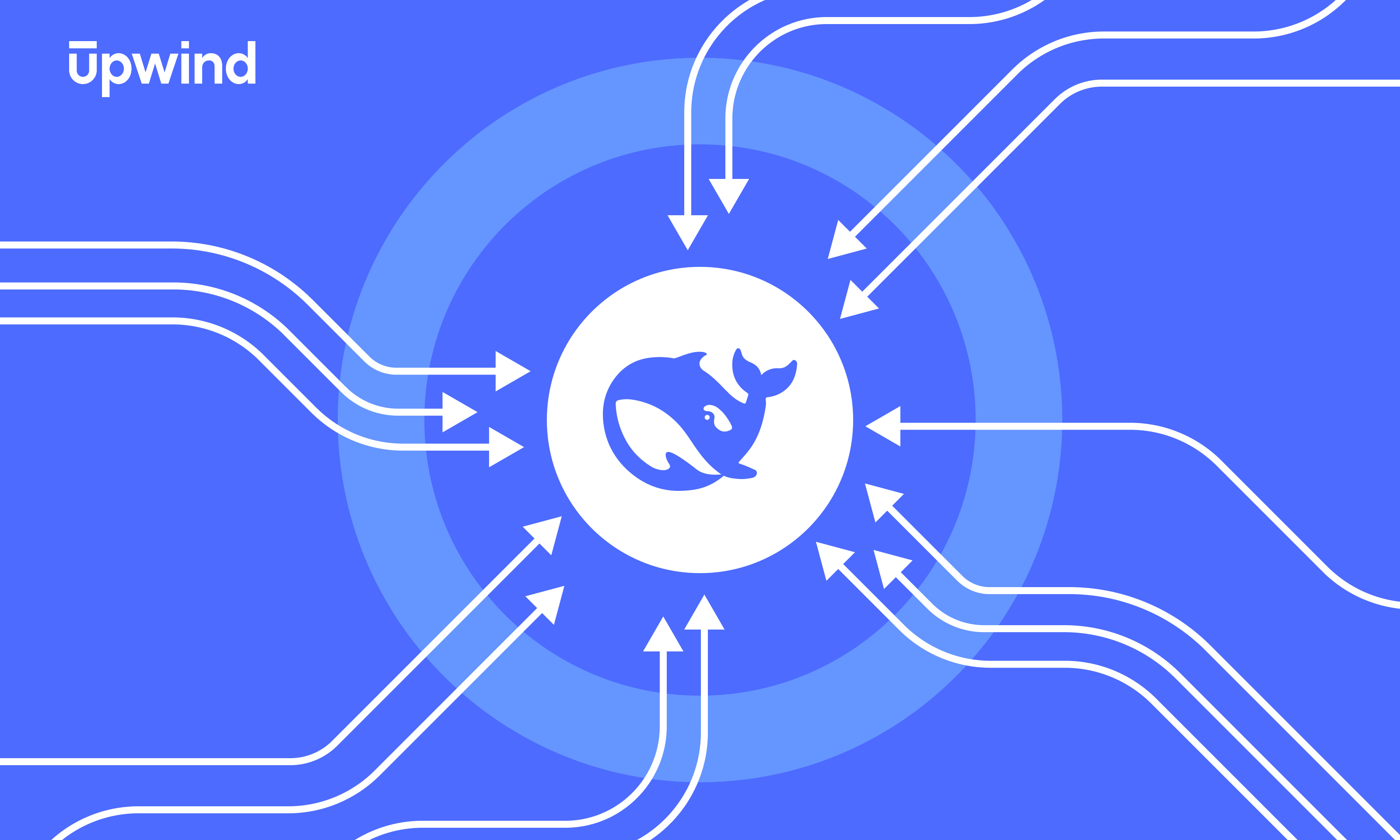

We are excited to announce a new advance in our AI security capabilities, which empowers organizations to detect and mitigate risks associated with AI platforms like DeepSeek and OpenAI. This new functionality continuously monitors traffic to these AI platforms, identifying potential data exposure and alerting you to unexpected AI-related activity. This ensures that your sensitive information remains protected in an era of evolving cyber threats.
What are DeepSeek and OpenAI?
DeepSeek AI is an advanced artificial intelligence research and development initiative focused on building large-scale language models and generative AI tools. It specializes in deep learning techniques such as transformer architectures, reinforcement learning, and fine-tuning for specific applications. DeepSeek AI aims to provide capabilities similar to those of OpenAI, with a focus on large-scale language models and generative AI. However, DeepSeek differentiates itself by incorporating domain-specific fine-tuning, enhanced multilingual capabilities and a unique approach to reinforcement learning, catering to industries requiring specialized AI models beyond general-purpose applications.
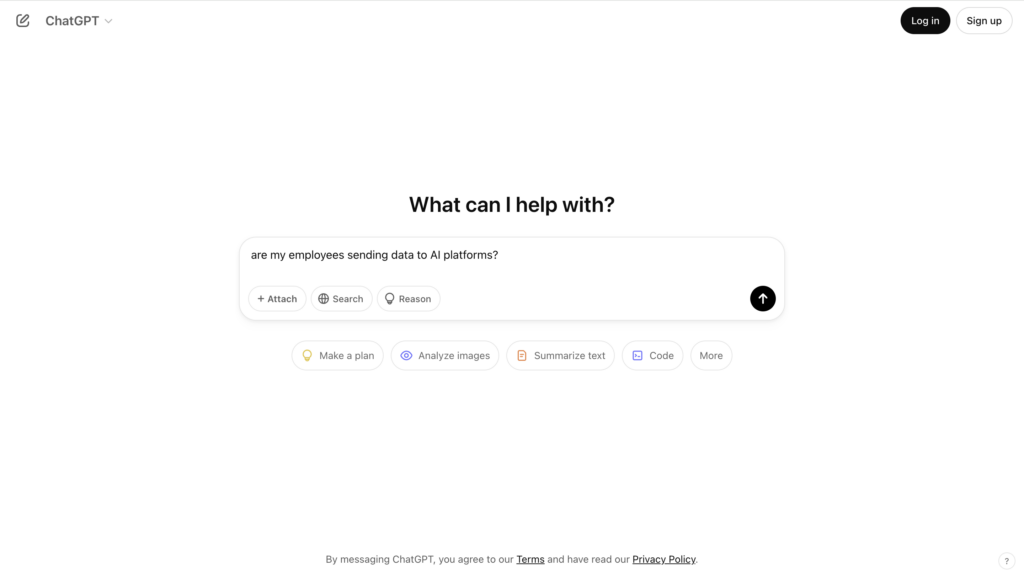
Why Are Organizations Concerned about DeepSeek?
Since Deepseek announced its first large language model release in January 2025, many organizations have expressed concerns about its use due to data security issues, potential government influence, and compliance with regulatory standards. A key consideration is that DeepSeek AI is developed in China, where data privacy regulations differ from those in other regions. Chinese data laws require companies to comply with any government requests for information, leading to concerns among some organizations about data security and regulatory compliance.
Additionally, many organizations have expressed concerns about intellectual property risks, as using an AI model trained on diverse datasets could lead to unintentional data leakage or exposure of proprietary information. Compliance with global AI regulations, such as the EU’s AI Act and the U.S.’s evolving AI governance policies, is another concern, as enterprises must ensure that AI-generated content aligns with industry-specific security and ethical guidelines. These factors make businesses, particularly those in sensitive sectors like finance, defense, and healthcare, cautious about integrating DeepSeek AI into their operations.
How Upwind Protects Against DeepSeek and OpenAI Concerns
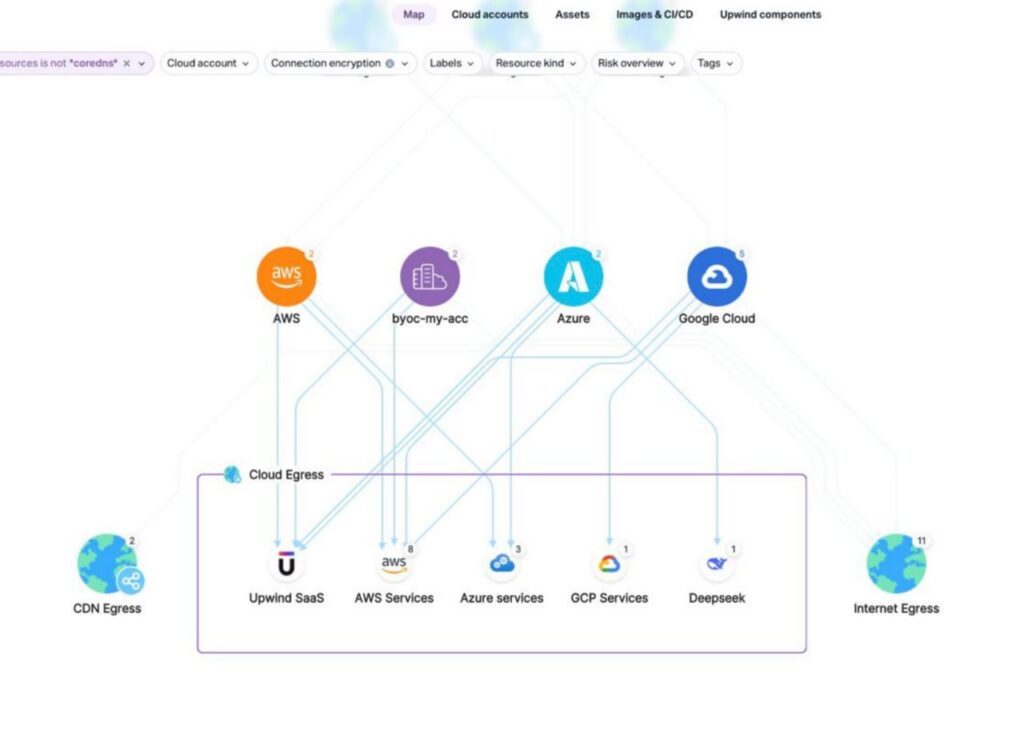
Upwind provides a number of protections for organizations that are concerned about AI usage and data privacy concerns, including:
- Continuous traffic monitoring: view real-time traffic to AI platforms DeepSeek and OpenAI and identify which workloads are communicating with them
- Sensitive data tracking: monitoring sensitive data flows on the network and API levels, identifying if any sensitive data is being sent to DeepSeek or OpenAI
- Identify AI threats: create baselines for GenAI interactions and surface abnormal AI interactions as threat detections
Leverage Upwind’s GenAI monitoring capabilities to proactively protect your organization from GenAI abuses, data privacy violations, and compliance risks. For example, a financial services firm using Upwind detected unexpected data transfer attempts to an AI platform, allowing them to assess the risk and take preventive measures before any potential exposure occurred. To learn more about how Upwind protects communication to large language models, schedule a demo today.