Get a Demo
Under Attack?
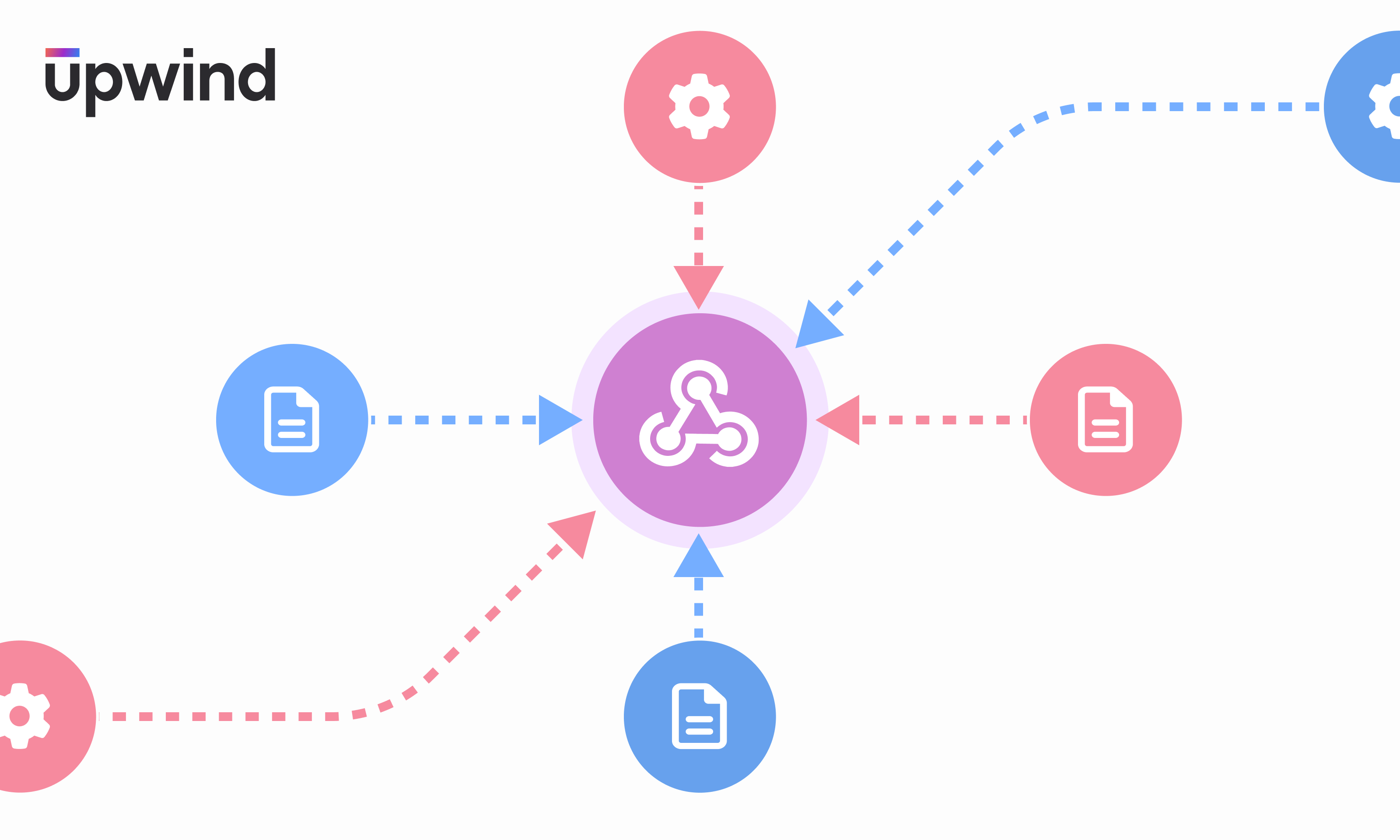
A diagram with a central purple circle with connected nodes. Blue circles with document icons point towards it, and pink circles with gear icons point away. The upwind logo is in the top-left corner.

Intelligently Utilize Upwind Findings in Your DevSecOps Workflow

Denise Ashur September 18, 2024

Intelligently Utilize Upwind Findings in Your DevSecOps Workflow

We are excited to introduce a new capability, allowing you to seamlessly export Upwind findings into your existing DevSecOps workflows. 

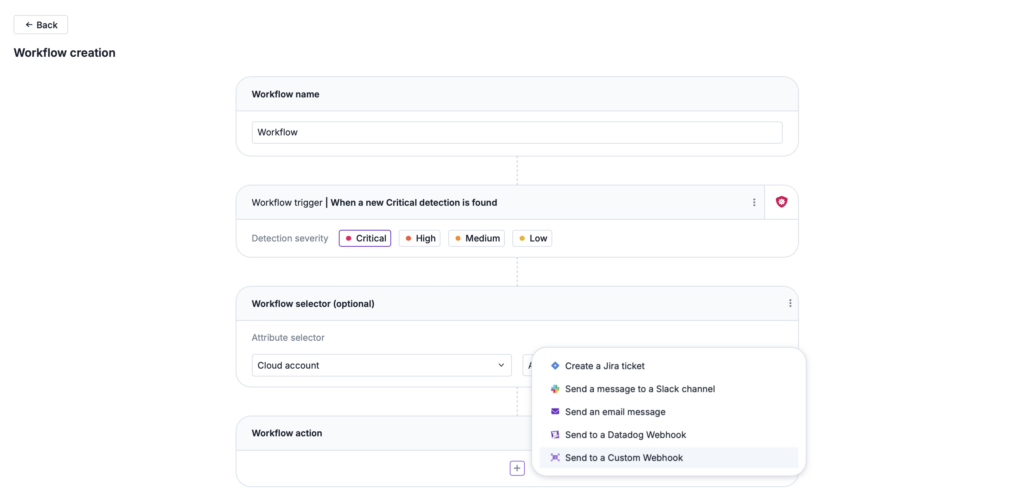
With this new capability, you can now export Upwind findings into your existing organizational workflow by using a custom webhook to integrate with third-party tooling such as an external SIEM (security information and event management) and SOAR (security orchestration, automation and response) platforms.
Screenshot-2024-09-04-at-6.29.15%E2%80%AFAM-1024x501

You can now easily export findings such as new threat detections, events, issues and vulnerabilities into the tooling of your choice, giving you increased flexibility for further investigation and data analysis within your existing workflows.

Using Upwind’s Custom Webhook Integration

This new capability to export Upwind findings to the tooling of your choice from the Upwind sensor through a webhook comes in addition to Upwind’s numerous existing integrations, giving you even more flexibility and customization options. 
webhook-integration

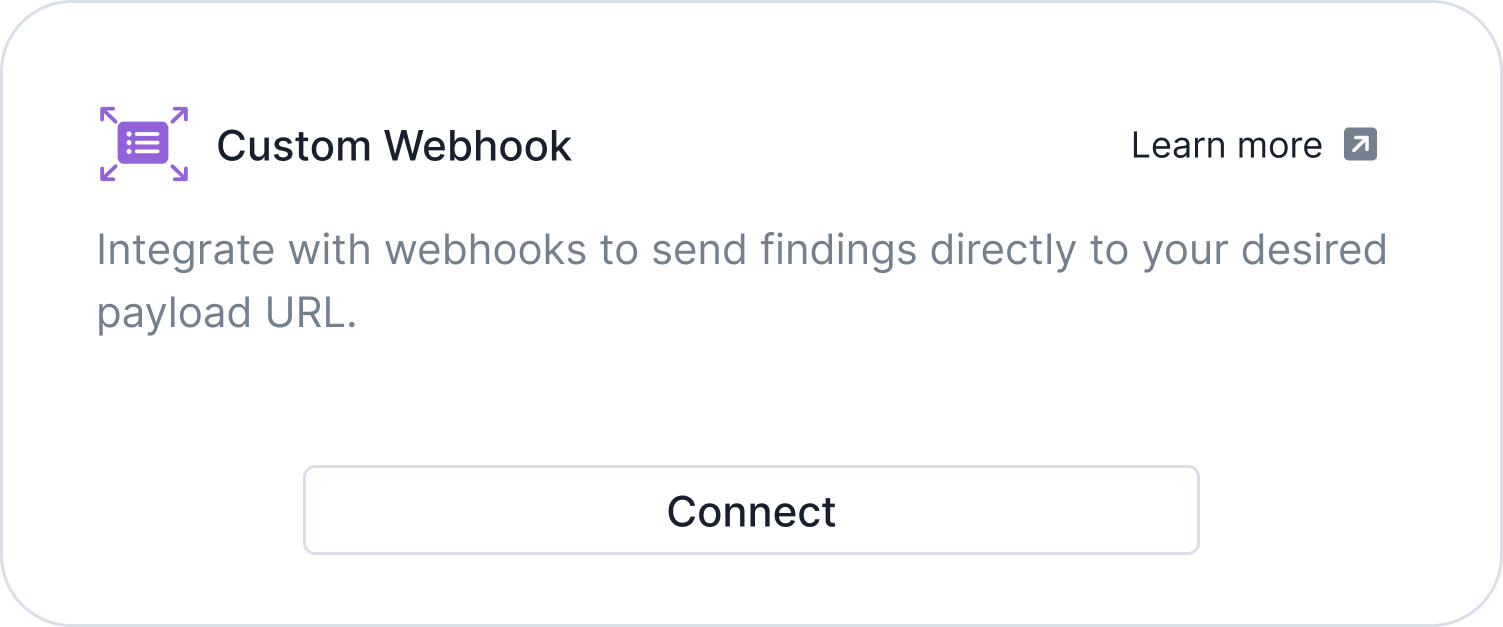
Upwind’s custom webhook essentially operates as an API but pushes data to an external platform rather than calling for it as an API would, ensuring that you consistently receive data updates as they occur. If you already have built a web application, using a webhook generally is as simple as adding a new URL to your application to process the data.
Screenshot-2024-09-04-at-7.00.33%E2%80%AFAM-1024x301

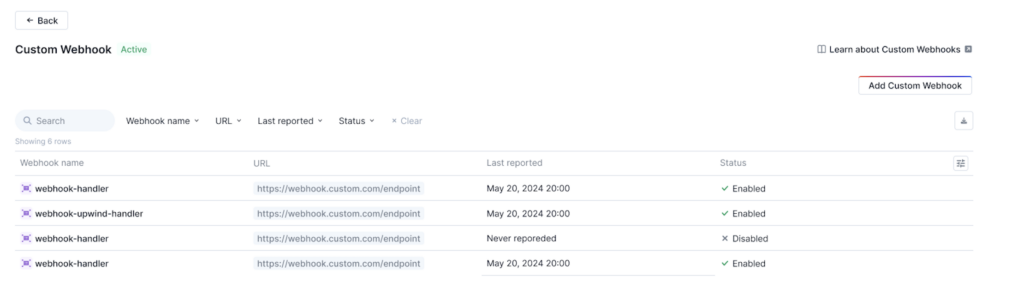
Use this new capability to seamlessly integrate Upwind findings and data into your existing DevSecOps workflows by exporting real-time raw data, performing advanced incident and response research, extending data analysis and streamlining auditing.

To learn more about Upwind’s integration capabilities, visit the Upwind Documentation Center (login required) or schedule a demo.

Contents

Further Reading

AI-will-make-software-more-secure

AI Will Make Software More Secure. The Transition Won’t Be Pretty

I believe AI is going to make us much more secure. But probably not tomorrow. In fact, I think the next two years may be exactly the opposite: attackers will have the upper hand before defenders eventually turn the economics of cybersecurity in their favor. For decades, we have built software with vulnerabilities and then…
Vulnerability Management

Vulnerability Management Requires Real-Time Intelligence

Security teams aren't short on data. But they’re often short on context and time. The average vulnerability management program is buried in alerts, running on scan results that are hours or days old, and facing both savvy and unskilled attackers that can leverage AI to develop sophisticated exploits in minutes. That combination is why backlogs…
bucket malware scanning

Upwind Launches Malware Scanning for Cloud Storage Across AWS, Azure, and GCP

Cloud object storage plays a central role in modern applications. Buckets are used to store application assets, exchange files, manage backups, build data pipelines, and share information across services and teams. That flexibility also makes object storage an attractive attack vector. A malicious file uploaded to a bucket can introduce risk into downstream applications, workloads,…
Add the Upwind RSS Feed to Slack
Connect the Upwind RSS Feed to your Slack.
Follow the how-to here.
Threat RSS
Add the Upwind RSS Feed to Slack
Connect the Upwind RSS Feed to your Slack.
Follow the how-to here.
Main RSS