
Upwind is focused on a simple but powerful idea: security only matters when it can lead to action.
Our platform delivers real-time, runtime intelligence – enriching posture findings with deep behavioral context, API and identity awareness, and actual exploitability signals. But even the most advanced detection loses value if remediation is slow, manual, or siloed.
That’s why we’ve partnered with ZEST, a modern security automation platform, to help teams move from insight to action, automatically and intelligently.
Upwind + ZEST
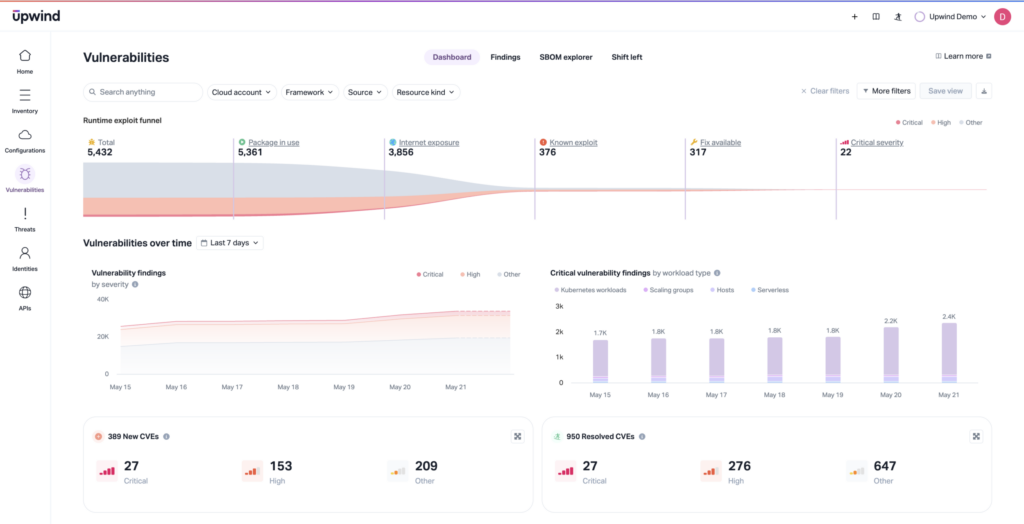
Most teams today are buried in findings but lack context or resources to resolve them efficiently. Static scanners and legacy CSPMs flood dashboards with alerts. Upwind cuts through the noise, automatically identifying and prioritizing critical risks based on deep runtime context. Now, with ZEST, we’re helping teams resolve those risks at scale with high-fidelity remediation, tailored to the actual threat.
This integration is about connecting two critical parts of the modern cloud security workflow:
- Upwind: Real-time visibility into what’s running and prioritized risk analysis
- ZEST: Smart, automated resolution paths to fix critical risks faster
Together, we help teams proactively identify critical risks and reduce time to remediation – backed by automation and intelligence.
Empowering Proactive Risk Remediation
Once connected, ZEST ingests Upwind’s runtime findings and enriches them with ownership, deployment history, and dependency mapping. ZEST then uses its Agentic AI Resolution Engine to suggest or automate the most efficient mitigation paths—from code changes to cloud-native controls.
Security teams get:
- Prioritized findings from Upwind, based on real exploitability
- Root cause analysis and suggested fixes from ZEST
- Secure-by-default recommendations injected directly into DevOps workflows
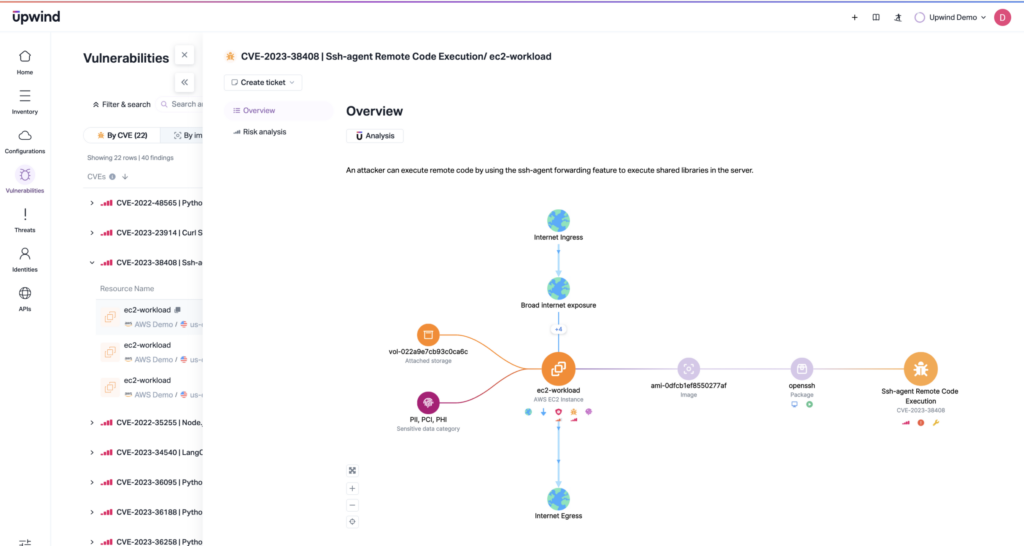
Together, Upwind and ZEST enable teams to proactively tackle risks and remediate them faster, resulting in:
- Reduced Mean Time to Remediation (MTTR): automated resolution reduces delay
- Improved Collaboration: security, DevOps, and engineering teams operate from a shared source of truth
- Proactive Attack Surface Reduction: with exploit paths blocked before they’re used
As cloud threats continue to expand, this partnership empowers teams to proactively identify critical risks and fix them faster – resulting in comprehensive attack surface reduction.
Learn More
Getting started is simple. You’ll generate API credentials within the Upwind console, plug them into ZEST, and within minutes, runtime findings will populate – ready to prioritize and act on.
At Upwind, we’re focused on building runtime-powered security that’s connected to how teams actually work. This partnership with ZEST is one more way we’re delivering on that vision – empowering teams to detect smarter, triage faster, and remediate with confidence.
To learn more, schedule a demo today.